
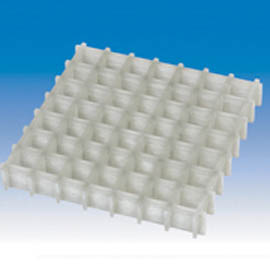
H40 Strong Frp Platform Grating -Premium!

- Price:Negotiable
- Description:H40x40x40 FRP GRP fiberglass grating plastic grid sheets frp grid panel is a structural panel which uses high-strength E-Glass roving
FRP GRP fiberglass grating plastic grid sheets frp grid panel, also known as FRP platform grating or moulded fibreglass grating, is a structural panel that offers a range of benefits. It utilizes high-strength E-Glass roving as reinforcing material and thermosetting resin as a matrix. This combination is casted and formed in a special metal mold, resulting in a lightweight yet strong panel with excellent corrosion resistance, fire resistance, and anti-skid properties.
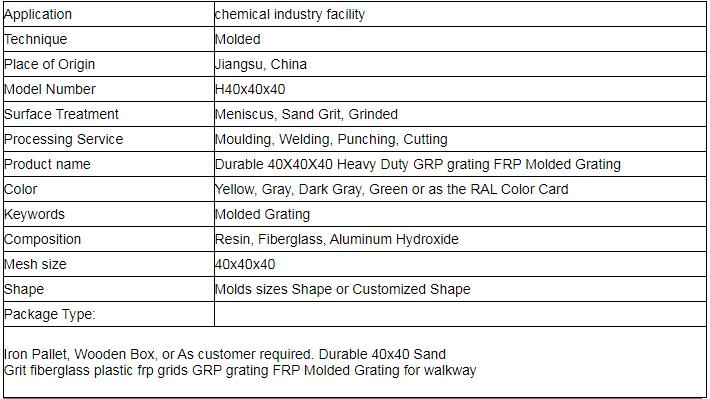
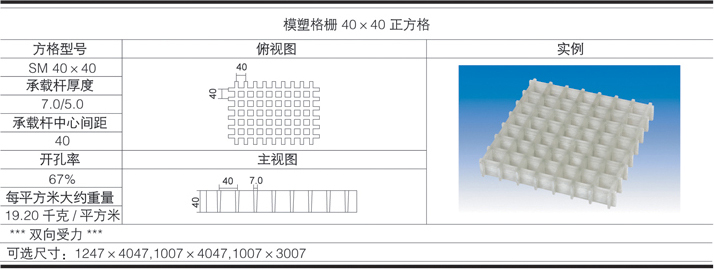
The FRP Molded Grating is extensively used in various industries such as the oil industry, power engineering, water & waste water treatment, and ocean survey. It finds applications as a working floor, stair tread, trench cover, and more. Thanks to its durability and resistance to corrosion, it serves as an ideal loading frame for harsh corrosive environments.
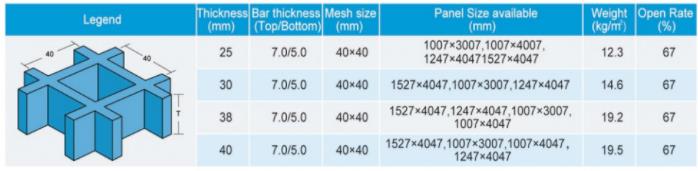
H40 Strong Frp Platform Grating -Premium!
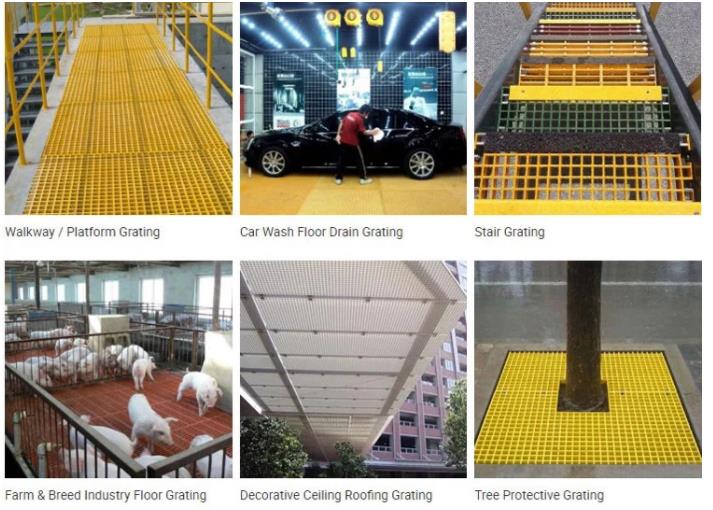
If you are looking for the best FRP grille or FRP platform grating, consider the high-quality FRP GRP fiberglass grating plastic grid sheets frp grid panel. It provides the necessary strength, safety, and longevity required for various industrial applications
Size of FRP grating
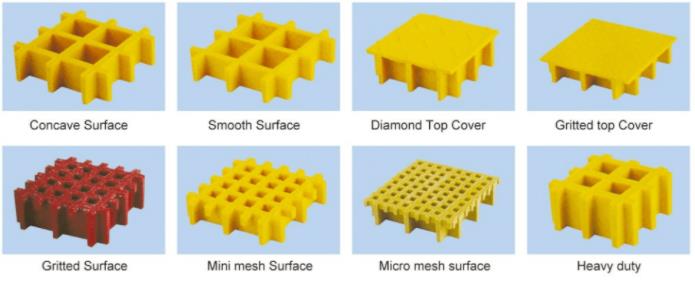
FRP/GRP Fiberglass grating, also known as moulded fibreglass grating, is a popular choice for various applications due to its durability, corrosion resistance, and lightweight nature. It is commonly used in industries such as chemical processing, oil and gas, water treatment, and marine.
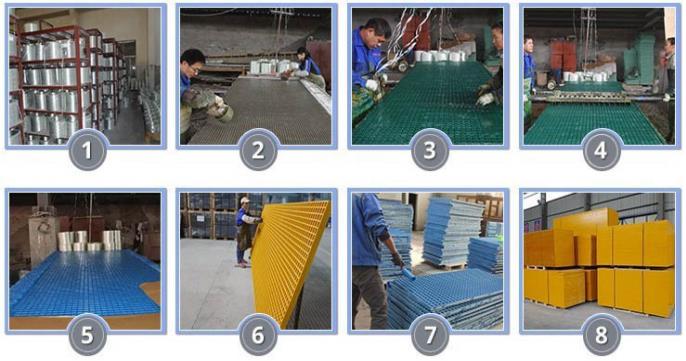
The FRP grating manufacturing process involves several steps:
2. Pouring material: The mixed raw materials are poured onto the mold machine that corresponds to the FRP grating design. The mold provides the desired shape and dimensions for the grating.
3. Draw yarn: To enhance the strength of the FRP grating, alkali-free yarn is laid layer by layer. This process helps to reinforce the structure of the grating.
4. Compression mold: The stirred raw materials, along with the laid yarn, are poured into the mold and compacted either mechanically or manually. This step ensures that the grating is properly formed and consolidated.
5. Heat curing: The grating is subjected to heat for approximately 20 minutes, allowing the raw materials and yarn to fuse together. This fusion process results in a strong and cohesive structure.
6. Cooling, demoulding, and mold lifting: After the heat curing process, the grating is allowed to cool for about 10 minutes. Once cooled, it is demolded from the mold, and the mold is lifted. At this stage, the grating is in a semi-finished state.
7. Grinding, painting, and washing: To achieve a smooth and finished surface, the semi-finished grating undergoes grinding to remove any imperfections. It is then either painted with a layer of varnish or washed with water to enhance its appearance and protect against environmental factors.
When it comes to choosing the best FRP grille, it is important to consider factors such as load-bearing capacity, chemical resistance, anti-slip properties, and overall quality. Additionally, the specific requirements of the application should be taken into account to ensure the grille meets the necessary standards.
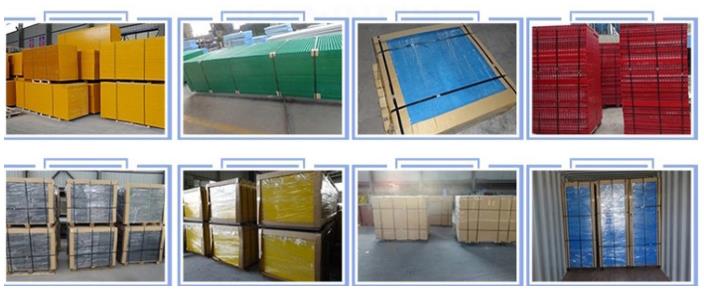
Packing & Delivery